
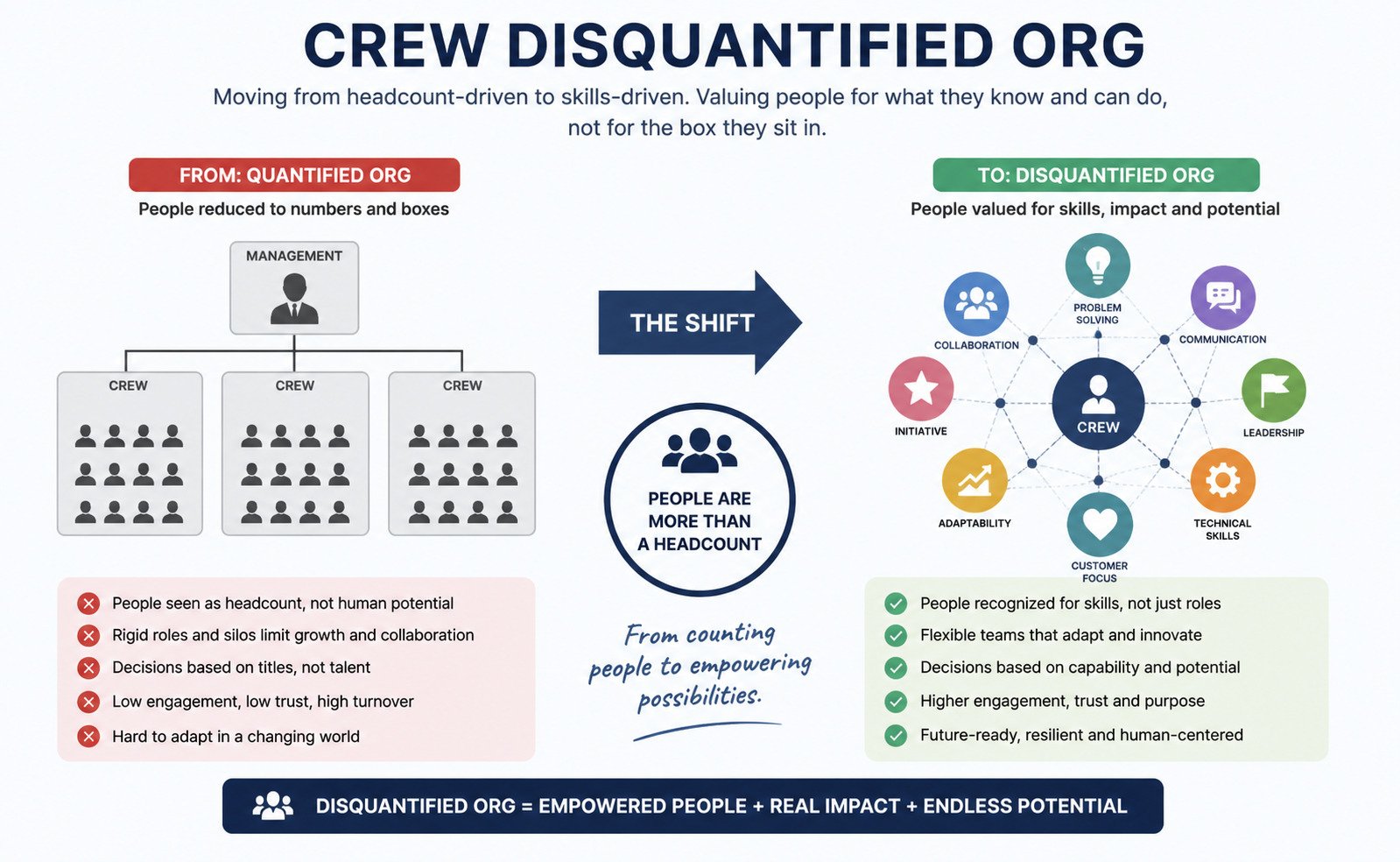
The idea of crew disquantified org is starting to show up more in modern digital discussions, especially around online communities, decentralized groups, and experimental ways of organizing teams. At its core, a crew disquantified org reflects a move away from rigid hierarchies and fixed job roles toward more flexible, adaptive ways of working together. In this guide, we’ll break down what it means, how it functions, and why it matters in today’s digital world.
Understanding Crew Disquantified Org
A crew disquantified org is basically a non-traditional way of organizing people where roles and contributions are not strictly measured or locked into fixed job titles. Instead of everyone having a permanent position, people shift roles depending on what the project needs.
This concept is often seen in digital communities, creative teams, and decentralized online groups. In a crew disquantified org, value isn’t only about numbers or output. It also includes creativity, participation, teamwork, and shared purpose.
Unlike traditional companies with strict reporting lines, this model is more flexible and organic. It works especially well in fast-changing environments like online media, tech communities, and collaborative digital projects.
Key Characteristics of Crew Disquantified Org
The structure of a crew disquantified org is quite different from traditional setups. It focuses more on flexibility and collaboration than fixed systems.
Decentralized Collaboration
In this model, decision-making is shared among members. There is no single person controlling everything. Instead, people work together based on mutual understanding and common goals.
Fluid Roles
Roles are not permanent. A person might contribute as a designer in one task and switch to planning or strategy in another. This helps people use their skills in different ways.
Non-Quantified Contribution
Not everything is measured through numbers or performance metrics. Things like creativity, support, and idea-sharing are also considered valuable contributions in a crew disquantified org.
Digital-First Environment
Most of these groups operate online. Communication, teamwork, and project execution happen through digital platforms, making it easy for people from different locations to participate.
How Crew Disquantified Org Works
A crew disquantified org works more through collaboration than strict control. People join based on shared interests and contribute according to their strengths and availability.
Instead of assigning fixed roles, work is divided into smaller tasks or collaborative projects. Responsibilities can change depending on what is needed at the time, which keeps the system flexible and responsive.
Trust plays a very important role here. Since there is usually no heavy monitoring or strict supervision, members rely on mutual accountability and shared responsibility. This helps build stronger community bonds.
In this system, success is not only about final results. It also includes participation quality, creativity, and long-term value created by the group.
Benefits of Crew Disquantified Org
The crew disquantified org model brings several advantages, especially in digital and creative environments.
High Flexibility
People are not limited to one fixed role. They can contribute in different ways, which helps them grow and learn new skills.
Increased Creativity
With fewer strict rules, individuals feel freer to experiment. This often leads to more innovative ideas and unique solutions.
Global Participation
Since these groups usually exist online, anyone from anywhere can join. This creates diversity and brings in different perspectives.
Faster Adaptation
Because the structure is flexible, the group can quickly adjust to new needs or challenges without long approval processes.
Community-Driven Growth
Growth happens through collective effort rather than top-down control. This makes the system more balanced and community-focused.
Challenges of Crew Disquantified Org
Even though this model is modern and flexible, it also comes with some challenges.
Lack of Clear Structure
Without fixed roles, some people may feel unsure about their responsibilities, especially in larger groups.
Difficulty in Measurement
Since not everything is quantified, it can be hard to evaluate individual performance or contributions clearly.
Coordination Issues
Flexible systems sometimes face communication gaps, especially if there are many members working on different tasks.
Dependence on Trust
The system depends heavily on trust and self-responsibility. If trust breaks, the structure can become unstable.
Applications in the Digital World
The concept of a crew disquantified org is becoming more relevant in many modern digital fields. It is often seen in creative industries, online gaming communities, open-source development, and decentralized tech projects, where discussions like why game releases get delayed continue to shape user engagement.
In creative work, teams often collaborate without strict roles to produce fresh and original content. In technology, developers from different parts of the world work together without traditional office structures. Even online communities now use similar models to manage large groups more effectively.
This approach is strongly linked to digital ecosystems where collaboration matters more than hierarchy.
Future of Crew Disquantified Org
The future of the crew disquantified org model looks promising as digital work continues to evolve. More groups and organizations are experimenting with hybrid systems that mix structure with flexibility.
New technologies like artificial intelligence, blockchain systems, and advanced collaboration tools are making it easier to manage decentralized teams while keeping things transparent and organized.
As remote work becomes more common, flexible organizational models will likely become even more important. The crew disquantified org could become a widely used approach for modern teamwork.
However, for long-term success, a balance between flexibility and light structure will be necessary. Clear communication, shared goals, and strong community values will remain essential.
Conclusion
The crew disquantified org represents a modern and flexible way of thinking about teamwork and organization in digital spaces. It moves away from traditional corporate hierarchies and focuses more on creativity, collaboration, and shared participation.
While it offers many benefits like flexibility, innovation, and global inclusion, it also comes with challenges such as coordination and measurement difficulties. Still, its growing relevance shows that it may play an important role in the future of digital collaboration.
Disclaimer
The article published on cuevana2 is intended for informational and educational purposes only. The views and explanations provided in this content are based on general understanding and do not represent any official organization, company, or verified authority.
